
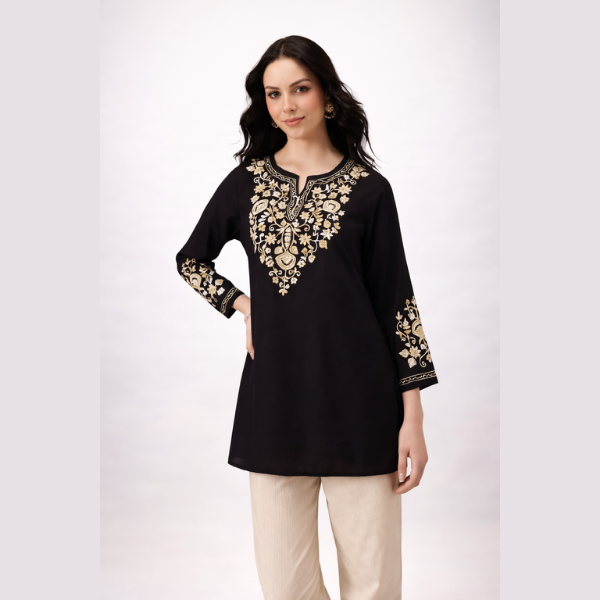
Introduction to Punjabi Culture and Punjabi Traditional Dress
Punjabi traditional dress represents the colorful identity and lively spirit of Punjab. Clothing in this region reflects celebration, culture, and community pride. Bright shades and flowing designs create a distinctive appearance.
Traditional attire carries deep cultural value for Punjabi families. People proudly wear these garments during weddings, festivals, and cultural programs. Each outfit expresses heritage and belonging.
The charm of punjabi traditional dress comes from its comfort and beauty. Loose silhouettes allow easy movement throughout the day. Decorative work adds elegance without reducing practicality.
Fashion from Punjab is admired across India and many other countries. Designers and artists continue to showcase these outfits on modern platforms. This global interest strengthens the importance of cultural clothing.
Today many young people explore traditional styles with modern creativity. Despite new trends, the essence of punjabi traditional dress remains strong.
⸻
Historical Background of Punjabi Traditional Dress
Early Development of Punjabi Attire
The journey of punjabi traditional dress started centuries ago in the fertile land of Punjab. Agriculture played a major role in shaping clothing choices. Farmers required comfortable garments for active work.
Loose tunics and relaxed trousers became common attire. These garments allowed flexibility during daily tasks. Practicality influenced every design element.
Natural materials such as cotton were widely available. Artisans used these fabrics to produce durable clothing. Hand stitching techniques enhanced each garment.
The growth of punjabi traditional dress also reflected regional traditions. Families passed knowledge of clothing styles to younger generations. This practice preserved cultural identity.
Gradually, embroidery and colorful patterns enriched the garments. These artistic additions made Punjabi attire visually appealing.
Cultural Influence on Clothing Styles
Celebrations and social gatherings strongly influenced punjabi traditional dress. Festivals encouraged people to wear bright garments. Vibrant outfits matched the cheerful atmosphere.
Dance forms like bhangra and gidda required comfortable clothing. Flowing garments enhanced energetic movements. Cultural performances became more expressive with traditional attire.
Communities respected traditional clothing during family ceremonies. Special garments often appeared during rituals and celebrations. This strengthened cultural unity.
Over time, punjabi traditional dress became a symbol of pride. Clothing reflected both lifestyle and regional identity. This connection continues today.
Modern fashion may introduce new ideas, yet traditional inspiration remains important.
⸻
Punjabi Traditional Dress for Women
Salwar Kameez Outfit
The most recognized punjabi traditional dress for women is the salwar kameez. This outfit includes a long tunic paired with loose trousers. A dupatta completes the attire.
Women prefer this clothing because it combines comfort and elegance. The relaxed design allows easy movement throughout the day. It suits both casual wear and formal occasions.
Designers often decorate kameez with detailed embroidery. Artistic patterns create attractive visual effects. These elements enhance the beauty of the outfit.
Across India and abroad, many women admire punjabi traditional dress because of its practicality. The garment adapts easily to different environments.
Fashion trends continue evolving, yet the salwar kameez remains a timeless choice.
Patiala Suit Style
Another popular punjabi traditional dress for women is the Patiala suit. This attire includes a short tunic and pleated salwar. The folds create a graceful flow.
The design originally gained popularity in the historic city of Patiala. Royal influence helped spread this clothing style across Punjab. Soon it became widely admired.
A vibrant dupatta usually accompanies this punjabi traditional dress. The scarf adds charm and cultural identity.
Women commonly wear Patiala suits during festive gatherings. The lively appearance suits joyful celebrations. Colorful fabrics highlight the energetic culture of Punjab.
Modern designers often experiment with prints and textures while preserving traditional structure.
Phulkari Embroidery
Phulkari embroidery represents artistic heritage within punjabi traditional dress. The word phulkari means floral craftsmanship. Colorful threads form intricate patterns on fabric.
Artisans carefully stitch decorative flowers across shawls and scarves. Each piece requires patience and skill. Handmade designs carry deep cultural value.
During wedding ceremonies, brides sometimes wear phulkari dupattas. These embroidered garments symbolize happiness and blessings.
The beauty of punjabi traditional dress increases through this traditional artwork. Vibrant thread combinations create striking visuals. Today designers include phulkari patterns in jackets and accessories to maintain this cultural tradition.
Punjabi Traditional Dress for Men
Kurta Pajama Clothing
A classic punjabi traditional dress for men includes the kurta pajama outfit. The kurta is a long shirt while pajama refers to relaxed trousers. This attire provides comfort and elegance.
Men often wear this clothing during cultural celebrations and family gatherings. The loose fit allows natural movement.
Different fabrics suit different occasions. Cotton works well for daily activities. Silk or blended textiles appear during special events.
Many young people now choose stylish variations of punjabi traditional dress. Contemporary tailoring adds freshness without losing tradition.
Because of its simplicity, the kurta pajama remains widely appreciated.
Turban or Pagri
The turban holds strong cultural meaning within punjabi traditional dress. Known as pagri, it represents respect, dignity, and identity. Many Sikh men wear it as part of religious practice.
Various regions in Punjab have unique turban tying styles. Each method produces a distinctive shape.
A colorful turban completes the appearance of punjabi traditional dress. It adds pride and confidence to the wearer.
During weddings, grooms often wear decorative turbans. Feathers or ornaments enhance the ceremonial look.
This traditional headwear continues to symbolize honor and cultural pride.
Dhoti Style Clothing
Another historic punjabi traditional dress includes a dhoti paired with a kurta. The dhoti consists of a long cloth wrapped around the waist and legs.
In earlier times, villagers preferred this clothing style for comfort. The fabric allowed freedom during farming tasks.
Although modern wardrobes rarely include dhotis, cultural events sometimes showcase them. Folk dancers occasionally perform in this attire.
Such garments highlight the historical journey of traditional dress.
Traditional dance performances often use these outfits to represent heritage.
⸻
Fabrics Used in Punjabi Traditional Dress
Cotton Fabric
Cotton remains a common material for punjabi traditional dress. The natural fiber suits the warm climate of Punjab. It provides breathability and softness.
Many everyday garments use cotton because it is easy to maintain. The fabric absorbs moisture and feels comfortable.
Artisans frequently decorate cotton outfits with printed motifs. Simple designs create charming clothing.
Local textile industries also depend on cotton production. This supports many rural communities.
Even modern designers value cotton when creating traditional dress collections.
Silk and Rich Textiles
Luxury garments within punjabi traditional often use silk. This fabric offers a smooth texture and natural shine.
Wedding attire frequently includes silk outfits decorated with embroidery. These garments create a grand appearance.
Velvet and brocade textiles also appear in festive clothing. These materials add depth and richness.
Ceremonial events often highlight such luxurious punjabi dress designs.
Fashion houses now combine traditional textiles with modern silhouettes for fresh looks.
⸻
Colors and Decorative Patterns
Vibrant Color Choices
Color plays a major role in punjabi dress aesthetics. Bright shades represent joy, celebration, and positive energy.
Popular colors include yellow, pink, green, and red. These tones reflect the lively spirit of Punjabi culture.
Festival garments often display striking combinations. Such outfits create a cheerful environment during celebrations.
Men and women both wear colorful traditional dress during cultural events.
These vibrant hues remain a defining feature of Punjabi fashion.
Artistic Embroidery
Decorative craftsmanship enhances punjab traditional dress beautifully. Skilled artisans create patterns using thread, beads, and mirrors.
Phulkari embroidery stands out because of its floral designs. This technique adds cultural value to garments.
Other decorative methods include zari work and bead embellishments. These styles produce detailed textures.
Nature often inspires these artistic patterns. Flowers and geometric shapes frequently appear in designs.
Modern collections continue using these techniques within punjabi traditionals.
⸻
Punjabi Traditional Dress in Festivals and Weddings
Wedding Clothing
Punjabi weddings highlight the elegance of traditional dress. Brides usually wear richly decorated garments with vibrant fabrics.
Grooms often select kurta pajama or sherwani with elegant turbans. These outfits create a regal appearance.
Relatives also wear colorful punjabi traditional dress during wedding ceremonies. The celebration becomes visually impressive.
Many rituals include specific clothing traditions that families respect.
These customs show the cultural importance of traditional dress.
Festival Attire
Festivals provide another opportunity to showcase punjabi traditional clothing. Harvest celebrations especially encourage traditional clothing.
Dance performances look energetic when performers wear vibrant garments. Flowing fabrics enhance visual movement.
Children also participate by wearing cultural outfits. This helps them learn about heritage.
Community gatherings often display traditional attire proudly.
Through festivals, the legacy of punjabi traditional continues.
⸻
Modern Trends in Punjabi Traditional Dress
Fusion Fashion
Contemporary designers experiment with punjabi dress by combining traditional elements with modern fashion.
Young people sometimes pair traditional garments with modern accessories. This style creates a fresh appearance.
Fashion events regularly present innovative punjabi traditional dress collections.
International designers also appreciate Punjabi patterns and fabrics.
This creative blending keeps the tradition exciting.
Global Popularity
Today punjabi traditional dress is recognized worldwide. Punjabi communities living abroad celebrate culture through clothing.
Films and music videos have increased global interest in Punjabi fashion.
Online shopping platforms allow customers to buy traditional dress from many countries.
Social media creators also promote traditional garments.
This worldwide appreciation shows the lasting appeal of punjabi traditional clothing.
⸻
Cultural Importance and Legacy of Punjabi Traditional Dress
Identity and Cultural Pride
Punjabi traditional dress plays a big role in showing cultural pride. Clothing often reflects the personality of a community. In Punjab, people express happiness and strength through their attire.
Many individuals feel proud when they wear clothing linked to their heritage. Cultural garments remind people about their family history and regional values. Wearing such outfits builds a sense of belonging.
For many generations, punjabi traditionals has represented unity within the community. Families encourage children to understand the importance of cultural clothing. This practice helps protect traditions.
Even people living outside Punjab often wear these garments during special gatherings. Through this connection, punjabi traditional dress continues to symbolize cultural identity.
⸻
Punjabi Traditional Dress and Festivals
Clothing During Baisakhi Celebrations
Baisakhi is one of the most important celebrations in Punjab. During this event, people proudly display punjabi traditional dress in vibrant colors. The clothing matches the joyful environment.
Men perform energetic bhangra dances wearing bright outfits and colorful turbans. Women participate in gidda dances wearing decorated suits and scarves. The clothing adds beauty to every movement.
Festival grounds become full of music, laughter, and cultural expression. Traditional clothing becomes part of the celebration atmosphere.
Because of such festivals, traditional dress remains strongly connected with Punjabi culture.
Lohri Festival Clothing
Another joyful celebration is Lohri. Families gather around bonfires, sing songs, and enjoy traditional food. During these celebrations, people often choose punjabi dress.
Warm shawls and festive garments create a cozy atmosphere during the winter evening. Children also participate by wearing cultural outfits.
Photographs taken during Lohri often show bright clothing and happy faces. These memories preserve cultural traditions.
Through such events, punjabi dress continues to play an important role in family celebrations.
⸻
Punjabi Traditional Dress in Weddings
Bridal Clothing Traditions
Punjabi weddings are known for their colorful atmosphere. The bride usually wears a beautiful outfit inspired by punjabi dress.
Bridal garments often include heavy embroidery and bright colors. These outfits represent happiness, celebration, and prosperity.
Special accessories such as bangles and jewelry complete the bridal appearance. Every detail is carefully chosen.
The beauty of punjabi traditional dress becomes especially visible during wedding ceremonies.
Groom’s Traditional Clothing
The groom also wears elegant clothing during marriage celebrations. Many grooms choose outfits inspired by traditional dress.
These garments often include a kurta or sherwani combined with a decorated turban. The turban adds dignity and cultural meaning.
Family members also wear traditional clothing to honor the occasion. This creates a colorful environment during the ceremony.
Because of these customs, punjabi traditionals remains central to wedding traditions.
⸻
Punjabi Traditional Dress and Folk Culture
Connection With Punjabi Music
Music plays an important role in Punjabi culture. Many songs celebrate love, farming, and community life.
In music videos and performances, artists often wear punjabi traditional dress. These outfits reflect cultural pride.
Colorful garments make performances more lively and attractive. Audiences enjoy watching traditional clothing along with energetic music.
Because of this connection, punjabi traditional dress continues appearing in popular entertainment.
Cultural Dance Performances
Traditional dances such as bhangra and gidda are famous worldwide. These dances often feature clothing inspired by punjabi traditional dress.
The outfits allow dancers to move freely during energetic steps. Flowing garments create beautiful visual effects.
Dance performances often take place during festivals and stage events. Many international audiences enjoy watching these cultural shows.
Through dance performances, punjabi traditional dress reaches people across the world.
⸻
Punjabi Traditional Dress and Textile Craft
Traditional Fabric Production
Punjab has a long history of textile production. Local craft workers produce fabric using traditional methods.
These fabrics often become part of punjabi traditional dress. Skilled artisans create beautiful designs using embroidery and stitching.
Handmade clothing reflects creativity and patience. Every garment represents many hours of work.
Because of these crafts, punjabi traditional dress continues supporting local artisans.
Embroidery and Decorative Techniques
Decorative stitching adds charm to traditional clothing. Many garments feature floral patterns and colorful thread designs.
These artistic details make punjabi traditional dress visually attractive. Skilled workers carefully create each pattern.
Embroidery styles may vary between regions. Some designs include geometric shapes while others show flowers or leaves.
Such craftsmanship keeps punjabi traditional dress unique and culturally meaningful.
⸻
Punjabi Traditional Dress in Modern Fashion
Influence on Contemporary Designers
Fashion designers often find inspiration in cultural clothing. Many modern collections include elements of punjabi traditional dress.
Designers experiment with new fabrics and colors while keeping traditional shapes. This approach creates fresh styles.
Fashion shows sometimes highlight these modern interpretations. Audiences enjoy seeing cultural inspiration on the runway.
Through such creativity, punjabi traditional dress remains relevant in modern fashion.
Fusion Clothing Trends
Young people often enjoy mixing traditional and modern clothing. For example, someone might combine a traditional top with modern jeans.
This fusion style allows people to express personal fashion choices. It also keeps cultural clothing exciting.
Even when combined with modern pieces, the influence of punjabi traditional dress remains clear.
Such trends help introduce traditional fashion to new generations.
⸻
Punjabi Traditional Dress in Global Culture
Punjabi Communities Worldwide
Punjabi communities live in many countries including Canada, the United Kingdom, and Australia. During cultural events abroad, people proudly wear punjabi traditional dress.
These gatherings help maintain cultural identity. Festivals abroad often include music, dance, and traditional clothing.
Children growing up outside Punjab also learn about their heritage through such events.
Because of these communities, punjabi traditional dress continues spreading across the world.
International Fashion Interest
Global audiences have started appreciating Punjabi fashion. Many fashion lovers admire the bright colors and artistic embroidery.
International fashion magazines sometimes highlight punjabi traditional dress. Designers also explore Punjabi patterns and textiles.
Cultural exchange programs also introduce these garments to new audiences.
Through these efforts, punjabi traditional dress gains global recognition.
⸻
Punjabi Traditional Dress in Media and Social Platforms
Social Media Influence
Social media platforms play a big role in modern fashion trends. Many influencers share pictures wearing punjabi traditional dress.
These posts inspire followers to try cultural outfits. Online platforms help traditional clothing reach younger audiences.
Fashion bloggers often show different ways to style traditional garments.
Through social media, punjabi traditional dress continues gaining popularity.
Film and Television Representation
Films and television shows often display Punjabi culture. Many characters wear punjabi traditional dress in cultural scenes.
These visuals introduce traditional clothing to global viewers. Audiences become curious about Punjabi fashion.
Music videos also highlight colorful garments and energetic dance performances.
Because of entertainment media, punjabi traditional dress reaches millions of viewers worldwide.
⸻
Future of Punjabi Traditional Dress
Preserving Cultural Heritage
Protecting cultural clothing traditions is important for future generations. Communities encourage young people to wear punjabi traditional dress during cultural celebrations.
Educational programs also teach students about textile art and embroidery.
Museums and cultural exhibitions display traditional garments for visitors. These exhibitions explain the history of Punjabi clothing.
Through these efforts, punjabi traditional dress will remain part of cultural heritage.
Innovation and Sustainability
Modern fashion is also focusing on sustainability. Designers now explore eco-friendly fabrics for traditional clothing.
Handmade garments reduce industrial waste and support artisans.
Sustainable fashion movements also appreciate punjabi traditional dress because of its handmade tradition.
With innovation and cultural respect, punjabi traditional dress will continue evolving.
⸻
Final Reflection
The journey of punjabi traditional dress reflects the vibrant culture, creativity, and pride of Punjab. Every garment carries stories of festivals, families, and community life.
From village celebrations to international fashion shows, these garments remain admired worldwide.
Bright colors, beautiful embroidery, and comfortable designs make this clothing unique.
As new generations continue celebrating heritage, punjabi traditional dress will remain an important symbol of Punjabi culture for many years to come.
Conclusion
Punjabi traditional dress represents heritage, creativity, and celebration. These garments display vibrant colors, artistic embroidery, and comfortable designs.
From salwar kameez to kurta pajama, each outfit reflects Punjabi culture.
Designers continue introducing fresh ideas while respecting tradition.
Festivals and weddings proudly showcase punjabi traditional dress.
The cultural beauty of punjabi traditional dress will continue inspiring future generations.